Solar for homes, businesses and EV charging.
Four kinds of project, one way of working: we look at your roof and your bills first, and recommend second.
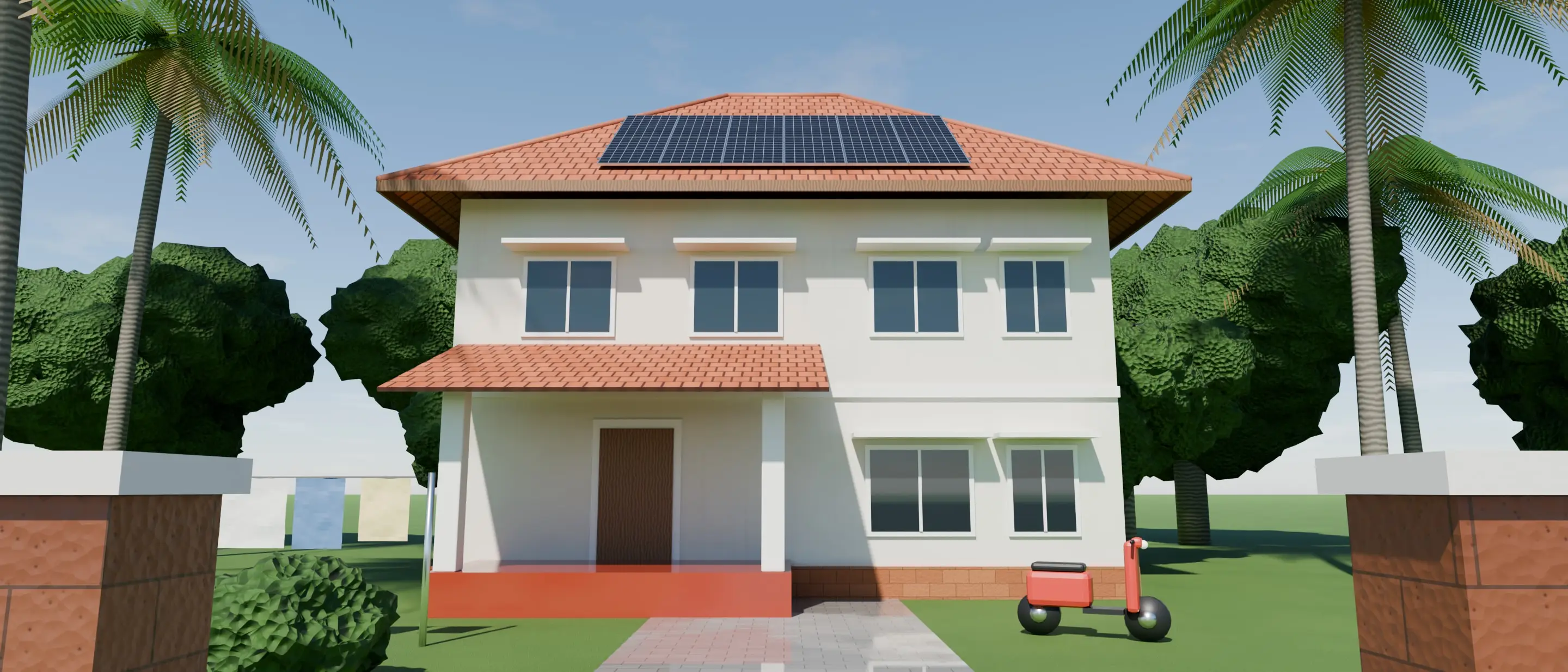
01 · Residential
Rooftop solar for your home.
For families who want to lean less on the grid and understand the system on their roof. We size it from your real KSEB bills, not a standard package.
- Site assessment: roof, shade, structure and wiring, in person
- Mounting chosen for your roof: clay tile, concrete or metal sheet
- Installation, testing and a walkthrough at handover
- The KSEB grid connection, worked through with you
02 · Commercial
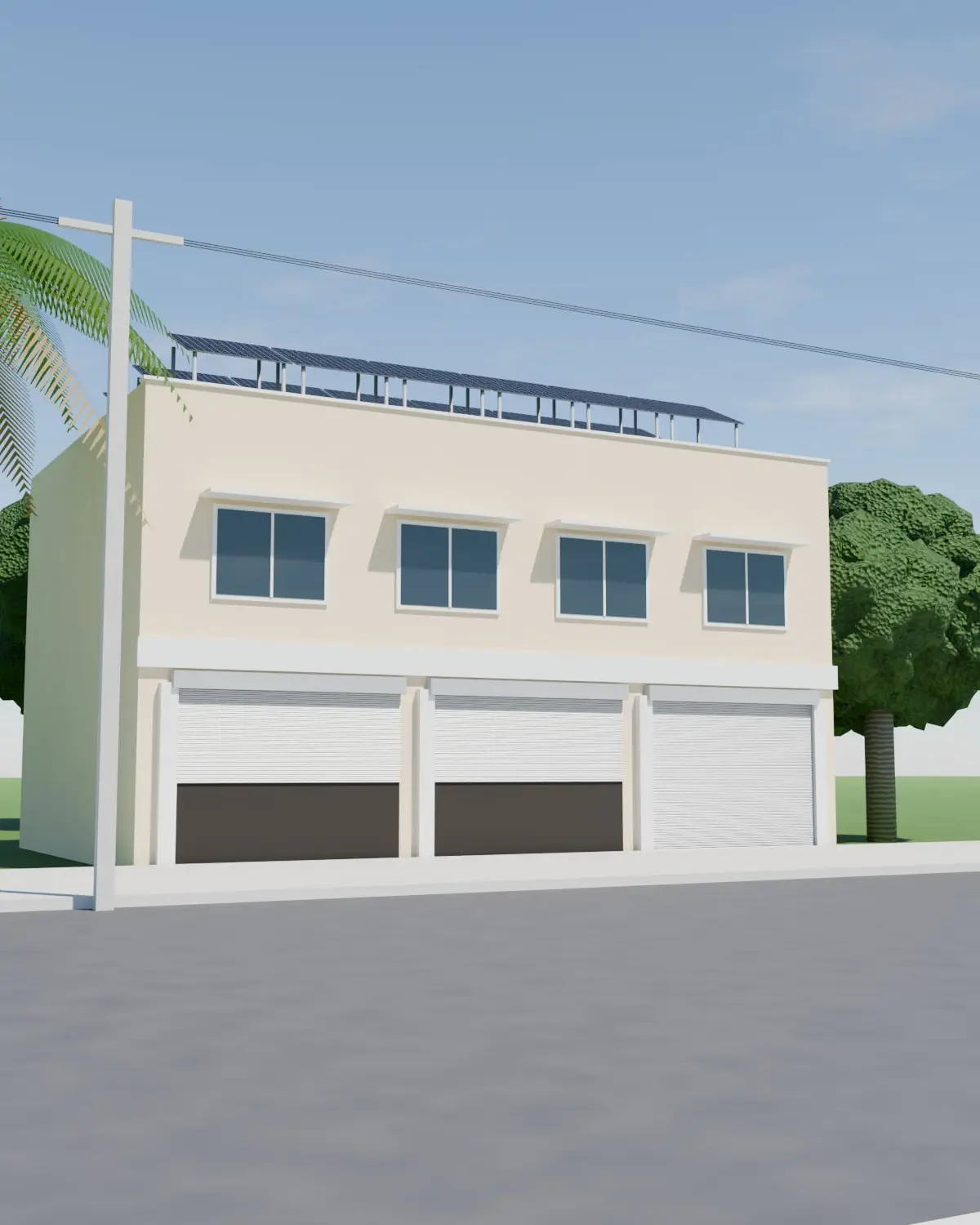
Solar for shops, offices and institutions.
Businesses use most of their power in daylight, which is when solar produces. We plan around your load, your roof and your working hours, so installation doesn't get in the way of business.
- A load study from your bills and connection type
- On-grid or hybrid options, explained side by side
- Installation scheduled around your opening hours
03 · EV Charging
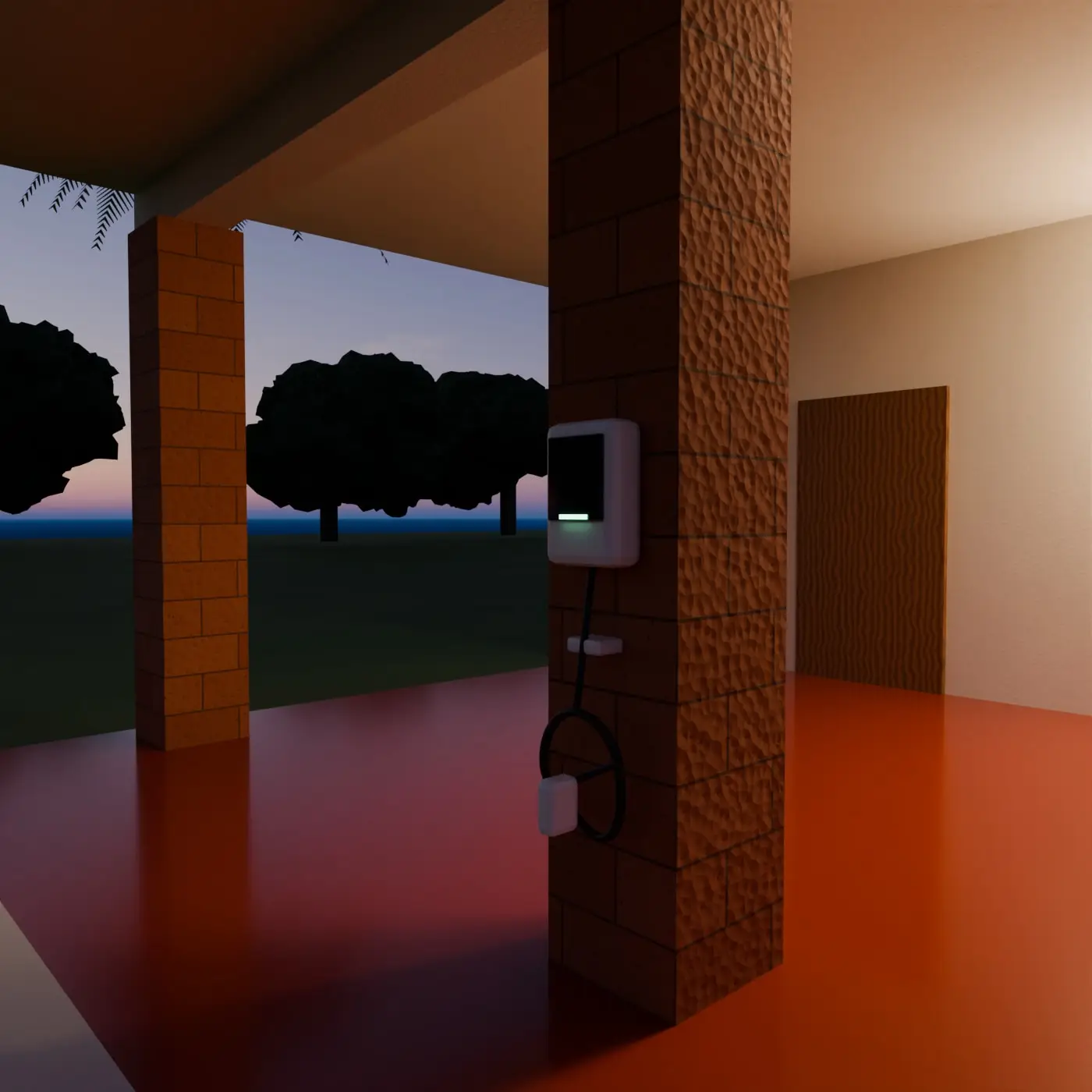
Charging at home or at work.
A dedicated charger is safer and more convenient than a wall socket. We check your wiring first, and if you have or plan rooftop solar, we show how the two can work together.
Ask about EV charging04 · Maintenance & support
Care after the panels are up.
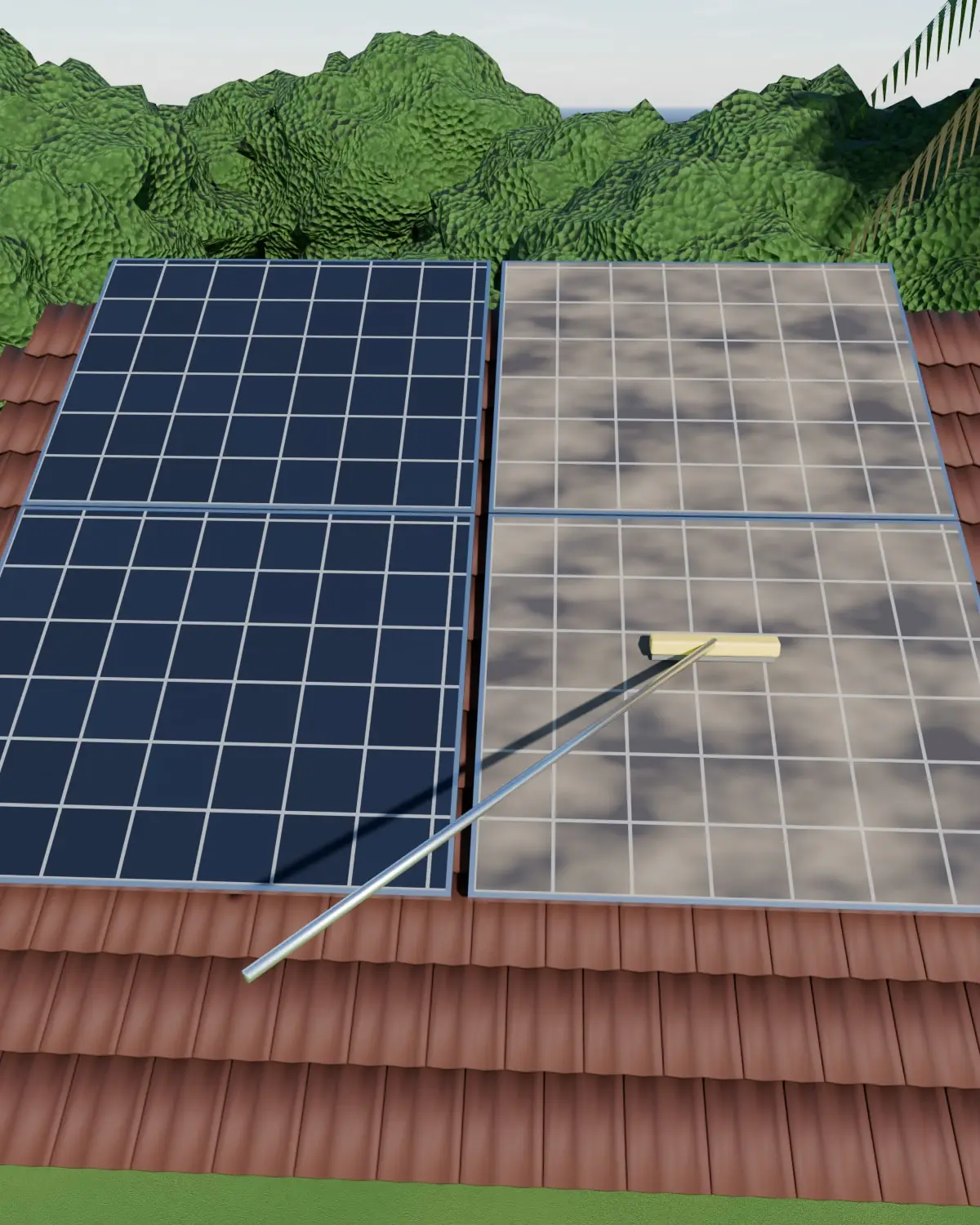
Service visits that keep your system working well: checks, cleaning and a clear report of what we found.
- Panels, mounting and wiring checked
- Panels cleaned
- The inverter and its readings checked
System types
On-grid or hybrid?
On-grid
Connected to the electricity grid. In the day your panels power your home or business and any extra goes to the grid. At night you use grid power as usual. During a power cut it switches off, for safety.
Hybrid
Also connected to the grid, with batteries added. It stores energy for later and can keep chosen appliances running during a power cut. It costs more than on-grid.
We don't offer off-grid systems. If you're not sure which suits you, we'll help you decide.
Not sure which fits? Tell us about your building and how you use power. We'll recommend, and explain why.